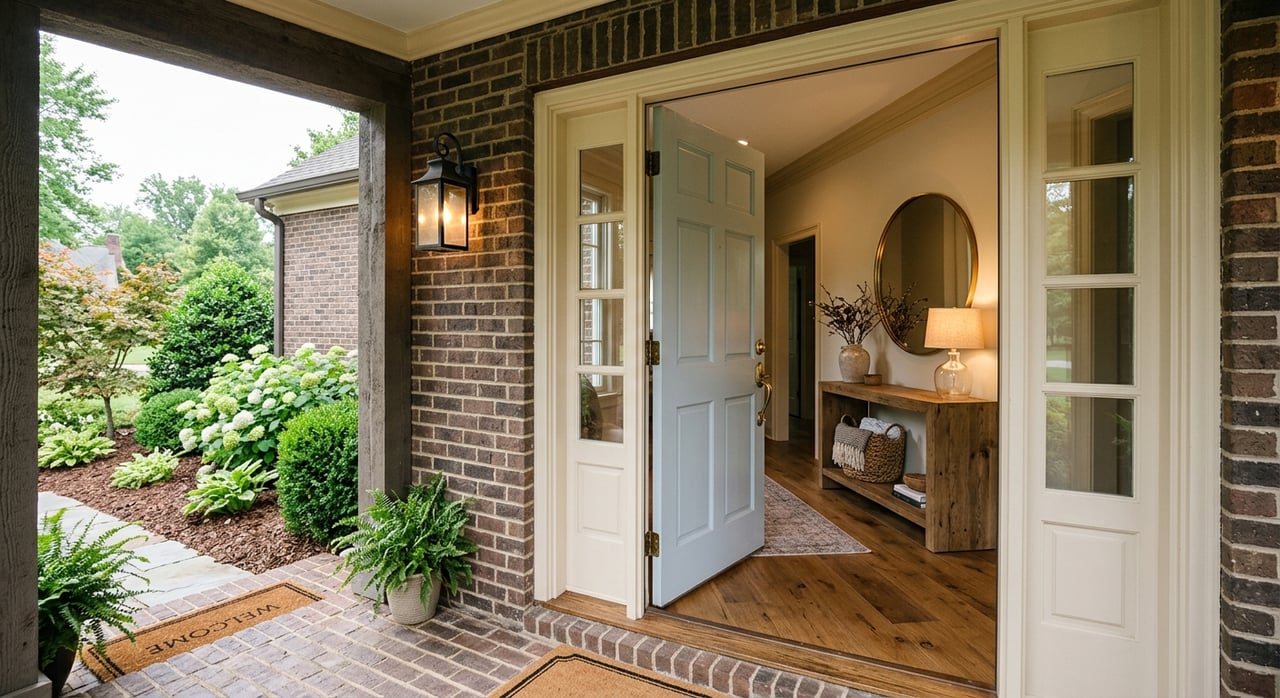
Step-by-Step West Seneca Downsizing Guide
April 2, 2026
April 2, 2026
Feeling overwhelmed by the idea of leaving a longtime home in West Seneca? That is completely normal. Downsizing is not just about moving into a smaller space, it is also about making hundreds of decisions along the way. With a clear plan, you can simplify the process, protect your timeline, and make the move feel more manageable. Let’s dive in.
Downsizing tends to go better when you treat it like a sequence instead of one giant project. In West Seneca, that matters even more because the market is still leaning toward sellers. According to Realtor.com’s West Seneca market data, the area was a seller’s market in February 2026, with a median of about 32 days on market, a 100% sale-to-list ratio, and 102 homes for sale.
That does not guarantee a fast or easy sale, but it does support a calm, deliberate approach. Instead of rushing to list before you are ready, it often makes more sense to prepare your home first and get clearer on your next move. That can help reduce stress and avoid a scrambled transition.
Before you sort a single closet, think about where you are going next. The best downsizing decisions usually start with the new floor plan, not with random boxes and bins. If you know the size of the next home’s rooms, closets, garage, basement, and storage areas, you can make better decisions about what truly fits.
AARP recommends using the next home’s layout as your guide. That is especially helpful if you are moving from a larger West Seneca home into a smaller house, condo, or ranch. When you know the space you are working with, it becomes easier to keep what supports your daily life and let go of what does not.
Once you have a plan for the next home, start sorting your belongings into clear groups. AARP suggests skipping the vague "maybe" pile and using categories like keep, donate, sell, and toss. That simple system can keep the process moving and make each decision feel more final.
Try to separate sentimental items from functional items. An item may carry good memories without needing to come with you. On the other hand, something plain and practical may deserve space in your next home because you use it every day.
One of the biggest mistakes people make is trying to clear the whole house in one weekend. That usually leads to fatigue, frustration, and stalled progress. A steadier approach works better.
Start with one room, one closet, or one category at a time. For example, you might begin with a guest room, seasonal décor, or extra kitchen items. Smaller decisions add up, and they are often easier to handle emotionally.
These spaces are often easier to tackle first:
Save the most sentimental categories, like photo boxes or family keepsakes, for later. By then, you will have built momentum and feel more confident making tougher choices.
You do not have to do every part of downsizing alone. If the process feels heavy, that is a sign to bring in support, not a sign that you are doing it wrong. AARP notes that professional move managers can help organize, sort, arrange disposal, and even oversee packing and unpacking.
That kind of help can be especially useful if you are balancing work, family responsibilities, or the emotional side of leaving a longtime home. The goal is not perfection. The goal is to reduce decision fatigue and avoid paying to move things you do not need.
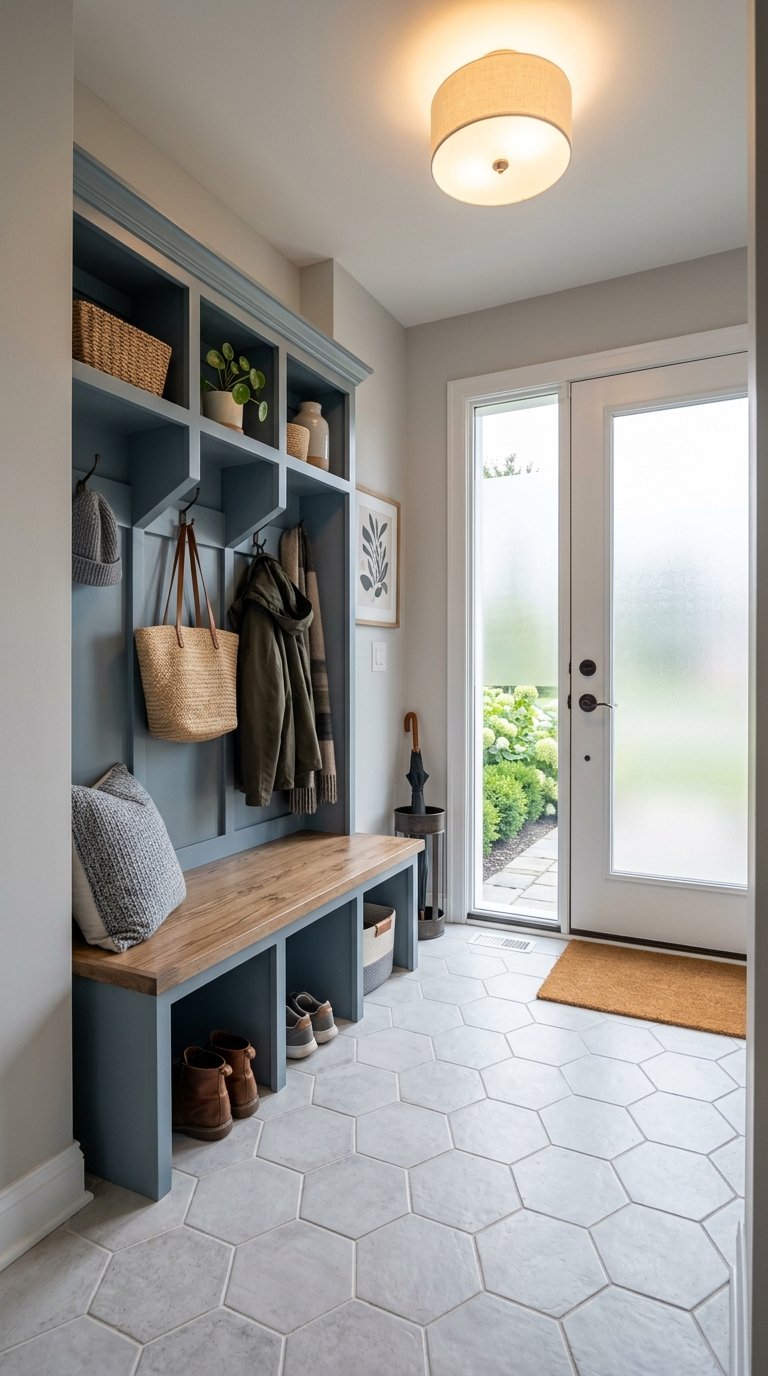
Once the house is simplified, the next step is presentation. You do not need a full redesign to make a strong impression. In fact, the National Association of Realtors reported that 29% of agents said staging led to a 1% to 10% increase in the dollar value offered, and 49% said staging reduced time on market.
That is one reason I put so much focus on staging strategy. As an accredited stager, I offer free staging when you list with me, because thoughtful presentation can help buyers better understand the space and picture how the home lives.
NAR found that the most commonly staged rooms were:
If your time and energy are limited, start there. Clear surfaces, open walkways, and a simpler furniture layout can make rooms feel more spacious and easier to maintain.
You do not need every room to look perfect. What matters most is helping the home feel open, clean, and easy to understand.
A practical pre-listing plan often includes:
A common downsizing question is whether to sell first or find the next home first. The answer depends on your finances, comfort level, and available housing options. In a seller-leaning market like West Seneca, many homeowners benefit from setting a target list date, preparing in phases, and getting more certainty around the next step before they rush to market.
That kind of pacing can give you more control. It also helps you avoid making quick decisions under pressure. Since homes in West Seneca have been moving relatively quickly based on current market conditions, planning ahead may do more for your peace of mind than trying to move all at once.
If you are downsizing in West Seneca, taxes deserve a careful look. A smaller home does not automatically mean a lower tax bill. Your future costs depend on the property, your eligibility for exemptions, and whether the home will be your primary residence.
For homeowners age 65 and older, the Town of West Seneca says the senior citizens exemption may reduce assessed value by 5% to 50% for town, county, and school taxes if combined income is below $37,400 and other requirements are met. The town also lists documentation requirements, including a valid photo ID and a recent tax return or year-end income statements.
New York’s STAR program information is separate. Enhanced STAR is for qualifying seniors age 65 and older with eligible income, and for the 2025-2026 school year the income cap is $107,300. STAR applies to school taxes only, so it should be reviewed alongside any local exemptions rather than treated as a replacement.
Downsizing is easier when you have practical support around you. In West Seneca, local services can make the process feel less isolating and more manageable. The town’s Senior Citizens Center is open to Erie County residents age 50+, with free membership for Town of West Seneca residents.
The center offers lunch, trips, fitness, van service, and referral contacts. For some homeowners, that kind of connection can be helpful during a transition, especially if the move also brings changes in routine or social life.
Once your timeline is set, avoid leaving the moving company search to the last minute. The Federal Trade Commission advises checking a mover’s registration and reputation before you commit. Written estimates and early planning can help you avoid scams and last-minute stress.
If your move will cross state lines, federal guidance also recommends reviewing your rights and working with a reputable interstate mover. Even for a local move, it is smart to compare options, confirm details in writing, and ask questions before moving day.
The easiest way to think about downsizing is this: first decide what fits your next home, then simplify what you own, then prepare your current home to shine. After that, you can coordinate timing, taxes, support services, and movers with a lot more clarity. When each step builds on the one before it, the whole process feels less overwhelming.
If you are planning a downsize in West Seneca and want a steady, staging-first plan, Patricia Manns can help you map out your next step. Schedule a free consultation.
Stay up to date on the latest real estate trends.

Professional guidance, trusted resources, and a commitment to exceeding expectations.

PATRICIA MANNS
ADDRESS 5546 CAMP RD HAMBURG, NY 14075